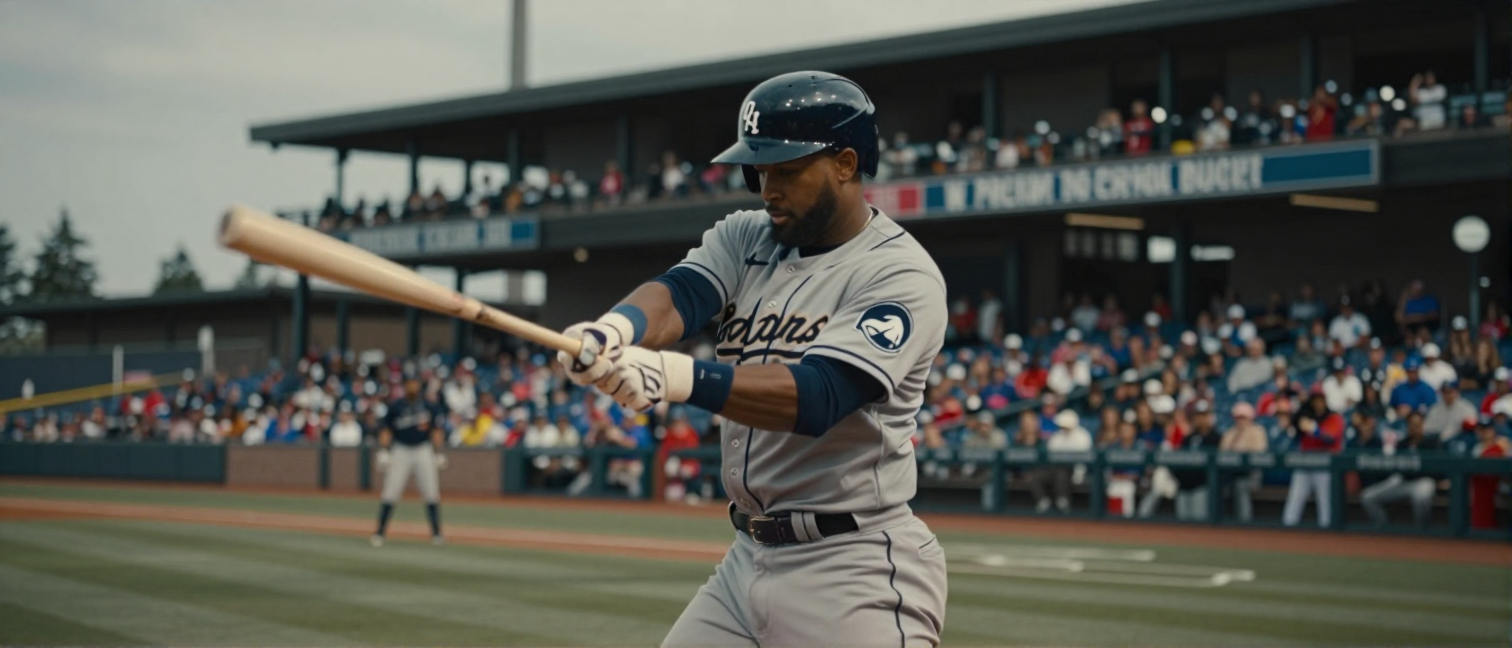
Ronald Acuña Jr.'s hamstring injury on June 10 has turned the Atlanta Braves' once‑potent lineup into a sputtering engine, with the team’s OPS sliding to .673 and a 9.5‑game NL East lead shrinking to just two games.
How did the slump start?
The decline began well before Acuña’s second stint on the injured list. Since May 11, the Braves have posted a .673 OPS, ranking 29th in MLB, and even the April 27 figure of .690 only placed them 25th. In June, Atlanta recorded the league’s lowest OPS, a stark contrast to the .784 mark that led the majors early in the season.
Why does Acuña’s absence matter?
Acuña entered the IL with a Grade 1 left hamstring strain, his second such injury this season. Before June 10 he was batting .251/.373/.421 with seven homers and 15 steals, and his presence at the top of the order forces opposing pitchers to pitch around him. That alone reshapes the entire lineup’s approach. Yet the numbers show the offense was already sputtering, indicating deeper issues beyond a single player’s health.
Which other hitters are struggling?
Drake Baldwin has been ice‑cold since returning from an oblique strain, going 1‑for‑31 during a recent stretch. Austin Riley sits at a .209 average with a .619 OPS, while Matt Olson has been forced to shoulder a heavier load than expected. Sean Murphy remains sidelined, further thinning the roster. The collective quiet across the batting order has amplified the impact of Acuña’s loss.
What does this mean for Atlanta’s playoff push?
Despite the offensive dip, the Braves sit at 54‑40, still atop the NL East. Chris Sale continues to dominate on the mound, and the bullpen ranks among the league’s best. However, the front office faces pressure to add batting depth before the trade deadline, as waiting for a natural rebound has failed for two months. If the bats don’t revive soon, August could bring a tighter race than the team anticipated heading into the second half.